


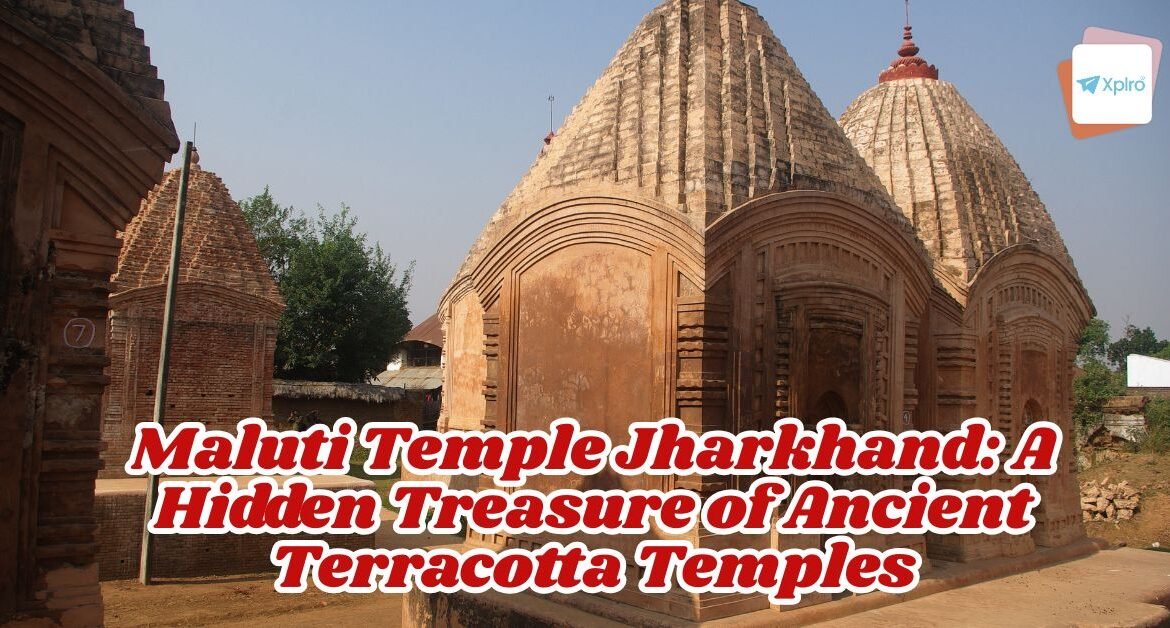
Tucked away in the Dumka district of Jharkhand, the Maluti Temple Jharkhand complex is a remarkable heritage site featuring over 70 surviving terracotta temples, dating back to the 17th–19th centuries. Nestled on the banks of the Chila River in the Dumka district of Jharkhand, Maluti is a heritage village that whispers stories of faith, art, and tradition through its terracotta temples. Once home to 108 shrines built by local kings, today about 70-to-75 remain, each bearing exquisite terracotta carvings inspired by Hindu mythology and local life.
This guide will take you through the origins of Maluti’s temples, their architectural uniqueness, current condition, how to reach this hidden gem.
Recognized by UNESCO and the Global Heritage Fund for its cultural significance, Maluti stands as a symbol of India’s artistic brilliance and spiritual depth. Whether you’re a history lover, photographer, or spiritual seeker, this serene village promises an unforgettable journey into India’s ancient soul.
How to reach:
| Mode of Transport | Details | Nearest Points & Distance | Additional Tips |
|---|---|---|---|
| By Air | Closest airport is Birsa Munda Airport, Ranchi with regular flights from major Indian cities. | Ranchi – 300 km Kolkata – 320 km Gaya – 230 km | Taxis and buses available from Ranchi, Kolkata, or Gaya |
| By Train | Rampurhat Railway Station (West Bengal) is the nearest major railhead with good connectivity. | Rampurhat – 20 km | Scenic drive from Rampurhat via taxi or local bus |
| By Road | Well-connected via NH20 from Ranchi and NH12 from Kolkata. Local roads lead to Maluti. | Ranchi – 300 km Kolkata – 320 km Dumka – 55 km | Regular buses from Ranchi, Dumka, and Rampurhat |
| Getting Around | Maluti Temples are compact and walkable. A local guide can enrich your visit with insights. | Within Maluti village | Guided tours recommended for deeper cultural context |
Best time to visit:
| Season | Weather & Highlights | Travel Experience |
|---|---|---|
| October – November | Post-monsoon greenery creates a lush, vibrant landscape. Mild and pleasant climate. | Ideal for sightseeing and photography |
| December – February | Cool and dry winter with temperatures between 10°C to 25°C. Crisp air and clear skies. | Best time for outdoor exploration and temple visits |
| March | Early spring brings warmer yet comfortable weather. Flowers begin to bloom. | Great for nature lovers and relaxed cultural travel |
History and Origins
The story of Maluti reaches back several centuries. It was ruled by the Baj Basanta dynasty, connected to the Malla rulers of Bishnupur (now in West Bengal). These rulers were devoted to temple building — rather than palaces — which is why Maluti became a “temple village”.
Over time, competing branches of the royal family built more temples in different clusters, leading to the grand count of 108 original temples. Inscriptions suggest many temples were named after female deities; the presiding goddess is Mauliksha.
Also notable: archaeologists have found stone tools along the Chila river, pointing to human habitation in prehistoric times.
Architecture & Artistry
Clusters: The surviving temples are grouped in several clusters (for example, Rajar Bari, Madhya Bari), which helps in planning a visit.
Terracotta work: The temples are adorned with terracotta panels depicting scenes from epics like the Ramayana and Mahabharata, as well as daily life, nature, and myth.
Chala style roofing: Much of the design reflects the “chala” style architecture common in Bengal, with sloping roofs, graceful curves, and tiered structures.
Materials used: Brick is the primary building material; ornamentations done using terracotta made from local clay. In many temples, a paste mix of brick powder, local sand and natural fibers was used to affix ornamented panels.
Why Maluti Temple is a Hidden Treasure:
Unlike popular temples in India, Maluti remains peaceful, offbeat, and untouched by commercialization. Its spiritual aura, combined with rich history, makes it a must-visit for:
- Spiritual seekers
- History lovers
- Architecture enthusiasts
- Offbeat travelers
Nearby Attractions:
Basukinath Temple, Maluti Temple Jharkhand
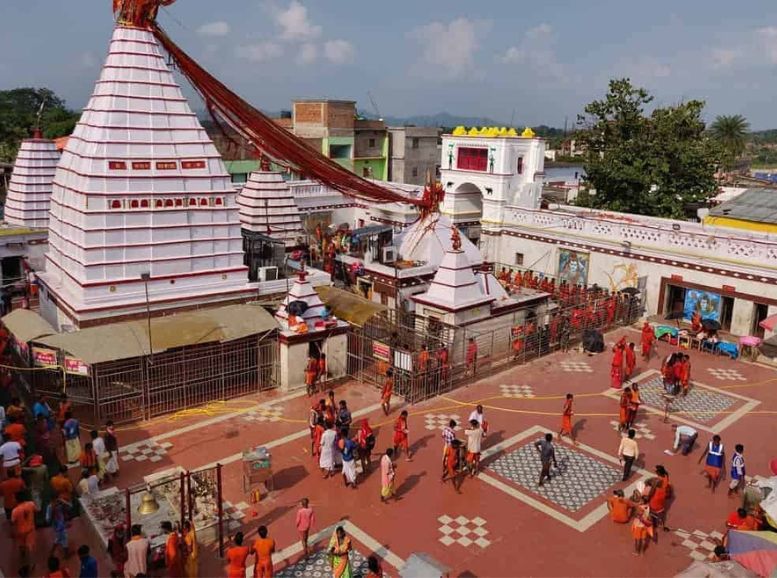
Just 55 kilometers from Maluti, another gem awaits discovery – the Basukinath Temple. This ancient shrine dedicated to Lord Shiva attracts thousands of devotees year-round, especially during the vibrant Sawan festival (July-August) when the temple comes alive with festivities and rituals.
Intricate architecture adorns the temple complex, showcasing traditional designs and sculptures that whisper tales of Hindu deities and mythology. Devotees believe prayers offered here hold the power to cleanse sins and bring blessings. Step inside, and the serene atmosphere washes over you, punctuated by the rhythmic chanting of mantras and the calming fragrance of incense.
Baba Sumeshwar Nath Temple:
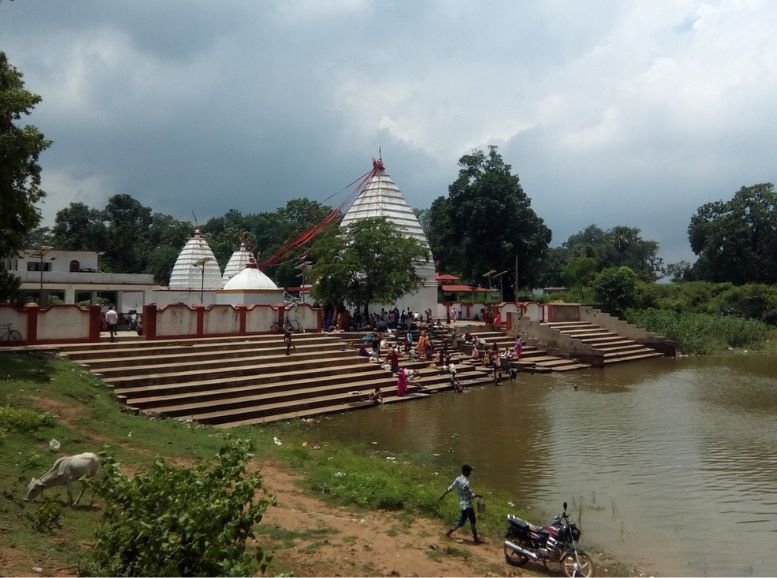
In the heart of Jharkhand, a revered Shiva temple stands tall, enveloped in an aura of serenity and spirituality. Baba Sumeshwar Nath Temple, located near Deoghar, is a sacred haven that attracts devotees and travelers seeking solace and divine blessings. The temple’s understated architecture belies its ancient significance, with intricate stone carvings and revered idols that whisper tales of a bygone era.
Lush greenery surrounds the temple, creating a peaceful ambiance that invites contemplation and introspection. During auspicious Hindu festivals like Maha Shivaratri, the temple comes alive with vibrant rituals and ceremonies, filling the air with the sweet sounds of devotional music and temple bells. This sacred site is a testament to Jharkhand’s rich cultural heritage, beckoning all who seek spiritual enlightenment and a deeper connection with their inner selves.
Naulakha Mandir:
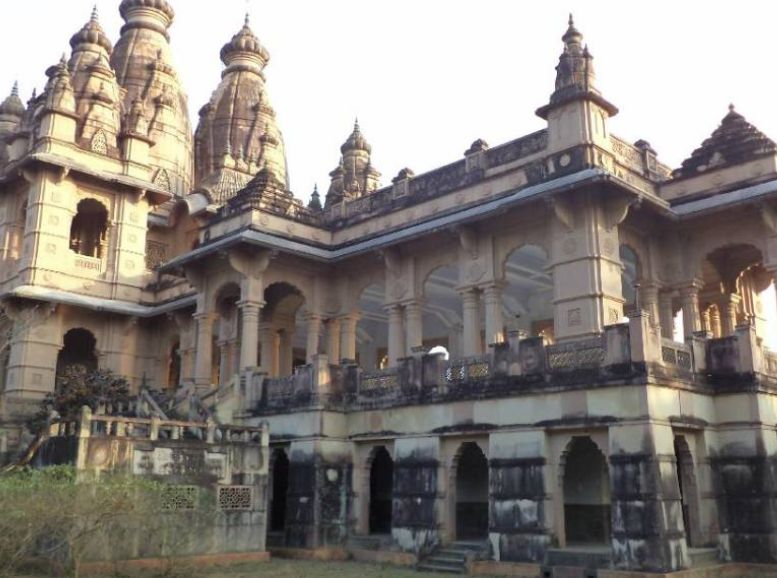
Deoghar, Jharkhand, boasts a gem of architecture – the Naulakha Mandir. Its design resonates with the Ramakrishna Temple in Belur, radiating an aura of tranquil grandeur. This temple is a sacred haven dedicated to the inseparable Radha and Krishna. Clad in luminous white marble, the temple’s intricate carvings whisper tales of faith. A majestic dome, a hallmark of Indian temple architecture, crowns the structure. The serene surroundings of Naulakha Mandir envelop visitors in a sense of peace, ideal for meditation and spiritual contemplation.
Within the sanctum, the serene idols of Radha and Krishna emanate a sense of tranquility, stirring devotion in the hearts of pilgrims. A delightful garden graces the temple grounds, adding a touch of vibrant serenity to the picturesque landscape.
Mayurakshi River:
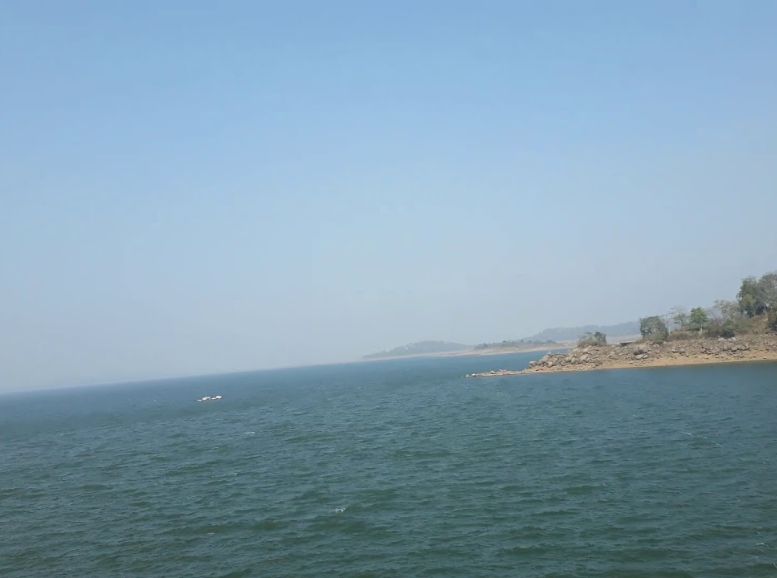
Flowing serenely near Dumka, Jharkhand, the Mayurakshi River unfolds like a ribbon of tranquility. Its name, meaning “peacock’s eyes” in Sanskrit, hints at the captivating beauty that awaits. Lush vegetation carpets the banks, creating a peaceful haven for relaxation and idyllic picnics. Whether you yearn for a leisurely walk along the water’s edge or simply wish to soak in the natural splendor, the Mayurakshi River provides a sanctuary.
Beyond its visual charm, the river serves as the lifeblood of the region, nourishing farms with its life-giving waters. During specific seasons, the riverside comes alive with vibrant local festivals and rituals, offering a window into the region’s rich cultural tapestry. The Mayurakshi River beckons with the promise of a refreshing escape, ideal for unwinding amidst breathtaking scenery or delving into the heart of the local traditions.
Local Experiences:
Watch Terracotta Artisans in Action
- Maluti’s temples are adorned with intricate terracotta carvings, and the magic continues in nearby workshops. Xplro team witnessed local artisans crafting idols and motifs using age-old techniques—each piece echoing centuries of devotion and storytelling.
- Enjoy Santhal Tribal Dance Performances
- During festivals, the village comes alive with Santhal folk music and dance. Xplro experienced the rhythmic beats and graceful movements firsthand—an authentic glimpse into tribal celebration and community spirit.
Hear Royal Legends from Village Elders
- Xplro joined storytelling circles where local elders shared tales of the Baj Basanta dynasty, temple myths, and ancestral lore. These sessions offer a deeper understanding of Maluti’s historical and spiritual significance.
Taste Traditional Jharkhand Cuisine
- Food is culture, and Maluti serves it with heart. Xplro team sampled Thekua, Handia (rice beer), and Pakhala Bhaat—all prepared by locals using traditional recipes. It’s a delicious way to connect with the region’s roots.
Celebrate Festivals with the Locals
- Plan your visit around Makar Sankranti or Durga Puja. Xplro team joined in the festivities—colorful rituals, bustling fairs, and communal joy that transform Maluti into a vibrant cultural hub.
Shop Handcrafted Souvenirs
- Support Maluti’s artisans by buying terracotta figurines, bamboo crafts, and tribal jewelry. Xplro team found these souvenirs not only beautiful but deeply symbolic of the region’s heritage.
Join a Heritage Walk & Capture the Details
- Xplro recommends a guided heritage walk to uncover the symbolism behind each temple carving. The golden hour is perfect for photography—when the terracotta glows with warmth and character.
Xplro Travel Tip: Go Early, Go Local
- Start your day early to enjoy the serenity and avoid crowds. Xplro suggests hiring a local guide—they unlock hidden stories, cultural nuances, and offbeat corners that most tourists miss.
Travel tips:
- Embrace the Golden Months: Aim for a visit between October and March. The pleasant weather makes sightseeing a delight, allowing you to fully appreciate the beauty of Maluti.
- Local Knowledge is Power: Consider hiring a local guide. They can unlock the rich history, architectural wonders, and cultural significance of the Maluti Temples, providing a deeper and more meaningful experience.
- Dress with Cultural Sensitivity: Opt for modest clothing as a sign of respect for the religious nature of the temples. Comfortable shoes are a must for navigating the temple complex and exploring nearby attractions.
- Pack for the Sun: Sunscreen, hats, and sunglasses will be your best friends against the Maluti sunshine.
- Stay Hydrated: Bring a refillable water bottle, especially if you plan on extensive exploration.
- Observe with Respect: Be mindful of local customs, particularly within religious sites. Remember to remove your shoes before entering temples and maintain a respectful demeanor.
Conclusion
Jharkhand’s Maluti Temples, a hidden gem documented on Xplro.com, unveil India’s rich heritage through intricate terracotta carvings and architectural grandeur. This adventure transcends sightseeing. Immerse yourself in the vibrant local culture, experience the rhythms of village life, and discover the serene beauty of rural Jharkhand. Whether you’re a history buff, an architecture enthusiast, or a spiritual seeker, Xplro.com can guide you on a unique and enriching journey. Engage with local artisans, savor delectable cuisine, participate in vibrant festivals, and explore the breathtaking natural beauty surrounding the temples. Maluti offers something for everyone. Start planning your unforgettable escape on Xplro.com.
FAQs
1. Where is Maluti Temple located in Jharkhand?
Maluti Temple is situated in Dumka district, near the border of Jharkhand and West Bengal, about 55 km from Dumka town.
2. Why is Maluti village famous?
Maluti is famous for its cluster of ancient terracotta temples, originally 108 in number, making it a unique heritage destination.
3. How many temples are still standing in Maluti?
Out of the original 108 temples, around 70–75 terracotta temples are still standing today.
4. Who built the Maluti temples?
The temples were built by the Baj Basanta dynasty, influenced by the Malla rulers of Bishnupur, Bengal.
5. What is the architectural style of Maluti temples?
They are built in the Bengal terracotta style, featuring sloping “chala” roofs and intricate clay carvings.
6. Why is Maluti also called Gupta Kashi?
Locals refer to Maluti as Gupta Kashi or “Hidden Varanasi” because of its large number of temples dedicated to different deities.
7. Which goddess is worshipped in Maluti village?
The presiding deity is Mauliksha, a form of Goddess Durga, highly revered in the region.
8. How old are the Maluti temples?
The temples date back to the 17th century, making them more than 350 years old.
9. What makes Maluti temples unique compared to other Indian temples?
Unlike stone temples in South or North India, Maluti temples are built with brick and decorated with terracotta panels showing epics, folklore, and daily life.
10. How can tourists reach Maluti from Kolkata?
Travelers can reach Maluti via Rampurhat in West Bengal (about 18 km away), making Kolkata the nearest metro city with rail connectivity.
11. What is the best time to visit Maluti temples?
The best time to visit is from October to February when the weather is pleasant and ideal for sightseeing.
12. Are there any accommodations near Maluti?
Yes, basic guesthouses are available near Maluti, but most visitors prefer staying in Dumka or Rampurhat for better facilities.
13. Is Maluti recognized as a heritage site?
Yes, Maluti is listed under heritage conservation projects, and several NGOs along with the government are working to preserve it.
14. Do the temples in Maluti have terracotta carvings?
Yes, the walls are richly decorated with terracotta panels depicting scenes from the Ramayana, Mahabharata, and local traditions.
15. Is Maluti safe for solo travelers?
Yes, Maluti is considered safe for solo travelers, but since facilities are limited, it is advised to plan well in advance.
16. What is the nearest railway station to Maluti?
Rampurhat railway station in West Bengal is the closest, located about 18 km away.
17. What is the nearest airport to Maluti temples?
The nearest airport is in Kolkata (Netaji Subhas Chandra Bose International Airport), about 280 km away.
18. Are there festivals celebrated at Maluti temples?
Yes, Durga Puja and Kali Puja are celebrated with great devotion, attracting local crowds and devotees.
19. What are some nearby attractions to Maluti?
Nearby attractions include Tarapith Temple in Bengal, Basukinath Temple in Dumka, and Shikaripara waterfalls.
20. Why should travelers add Maluti to their itinerary?
Maluti offers a unique blend of history, art, and spirituality. Its terracotta temples make it one of India’s lesser-known heritage gems worth exploring.