


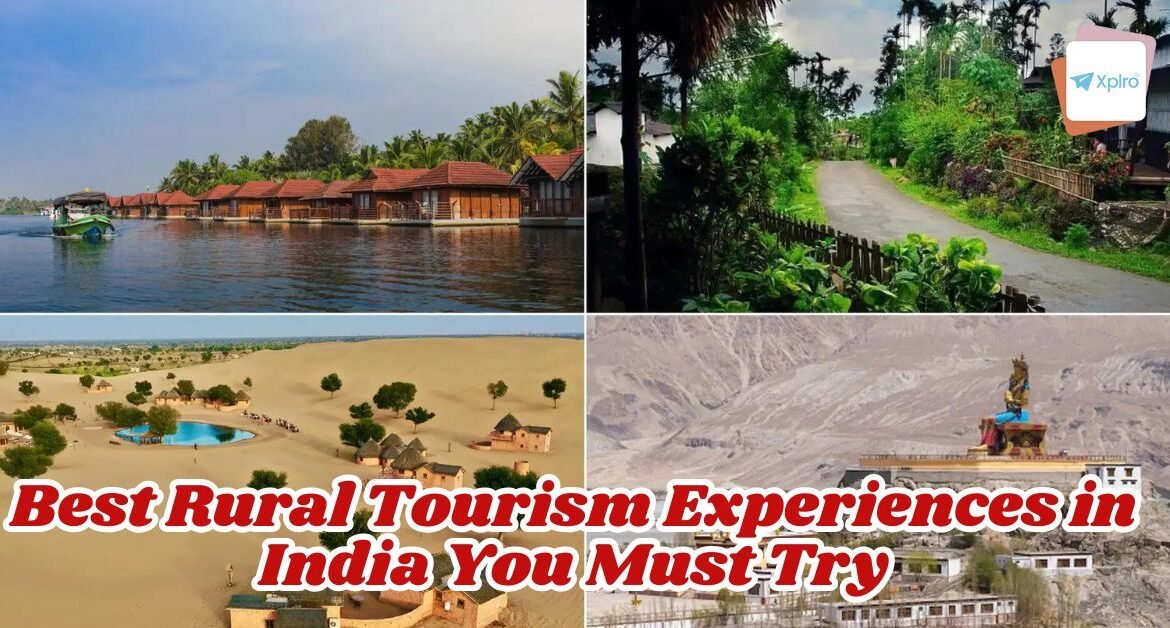
Step beyond the bustling cities and uncover the best rural tourism experiences in India that reveal the country’s true essence. From serene village homestays in Kerala to the colorful handicraft hubs of Kutch and the tea estates of Assam, rural India offers travelers a chance to connect deeply with nature, culture, and tradition. Here, every destination tells a story — of sustainable living, warm hospitality, and age-old customs that have stood the test of time. Whether you’re seeking authentic cuisine, folk music, organic farming, or peaceful landscapes, rural tourism in India promises a soulful journey unlike any other. Explore these hidden gems and rediscover the charm of real India through its villages, people, and heritage.
Why Rural Tourism in India Is a Must-Try
Rural tourism in India is more than just a getaway — it’s a journey into the heart of the country. With over 60% of Indians living in villages, these destinations offer a rich tapestry of culture, heritage, and sustainable living. Whether you’re seeking peace, authenticity, or purpose-driven travel, rural India delivers.
Top Rural Tourism Experiences in India
1. Spiti Valley, Himachal Pradesh
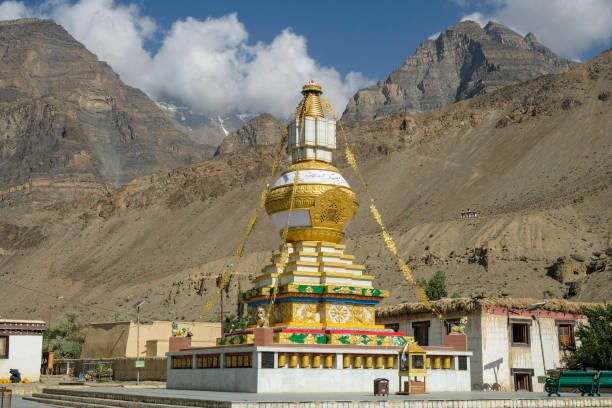
Nestled in the Trans-Himalayan region, Spiti Valley offers one of India’s most breathtaking rural tourism experiences. Travelers can stay in traditional homestays, explore ancient Buddhist monasteries like Key Gompa, and witness high-altitude farming practices. Ideal for eco-tourists and culture seekers, Spiti combines spiritual serenity with rugged adventure. Keywords: Spiti Valley tourism, Himalayan homestays, Buddhist culture India.
- Experience: Homestays, Buddhist monasteries, high-altitude farming
- Why Go: Remote Himalayan culture, eco-tourism, snow-clad serenity
2. Hodka Village, Gujarat
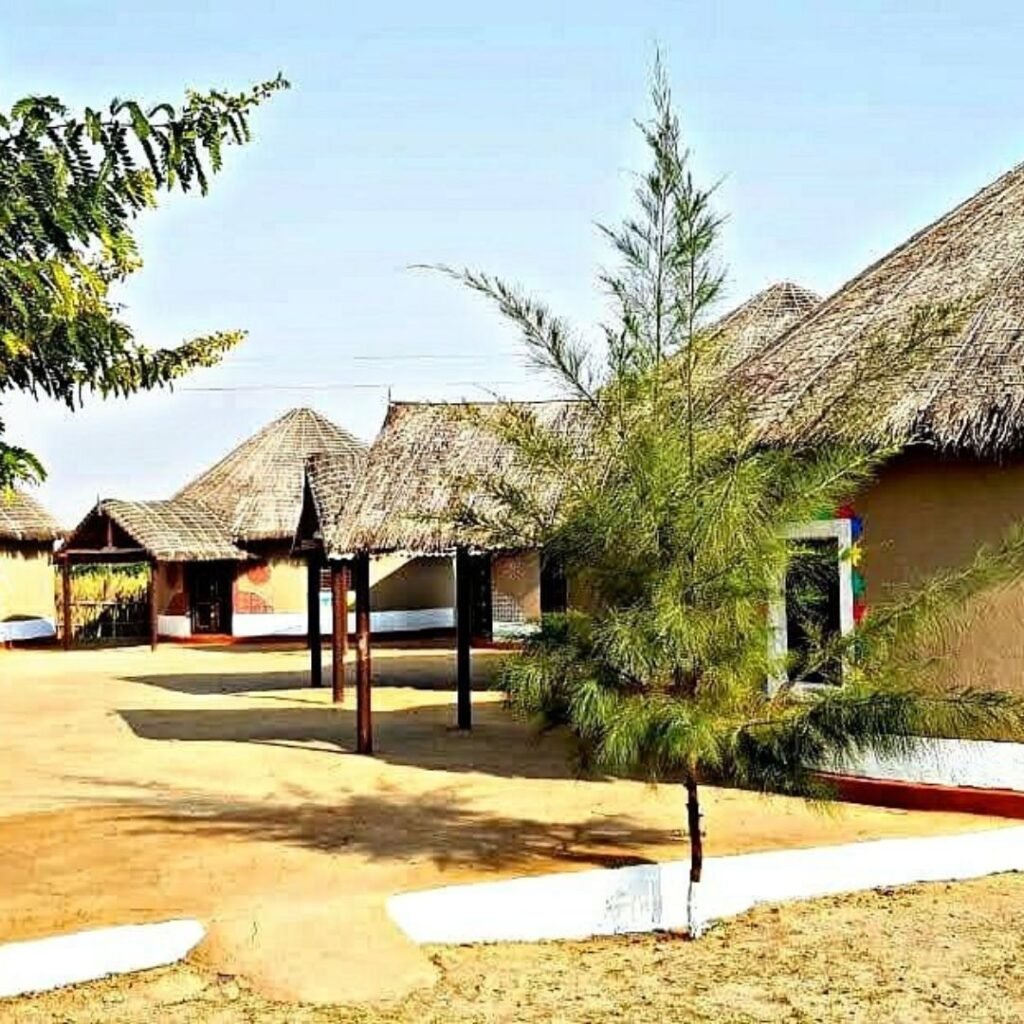
Located in the heart of Kutch, Hodka Village is a vibrant hub of rural artistry and desert charm. Visitors can engage in leatherwork and embroidery workshops, enjoy folk music under starlit skies, and explore the surreal White Rann. This artisan-led tourism model empowers local communities while offering travelers an authentic cultural immersion. Keywords: Hodka village tourism, Kutch crafts, rural Gujarat travel.
- Experience: Craft workshops, desert safaris, folk music
- Why Go: Vibrant Kutchi culture, artisan-led tourism, salt desert views
3. Chitrakote, Bastar, Chhattisgarh
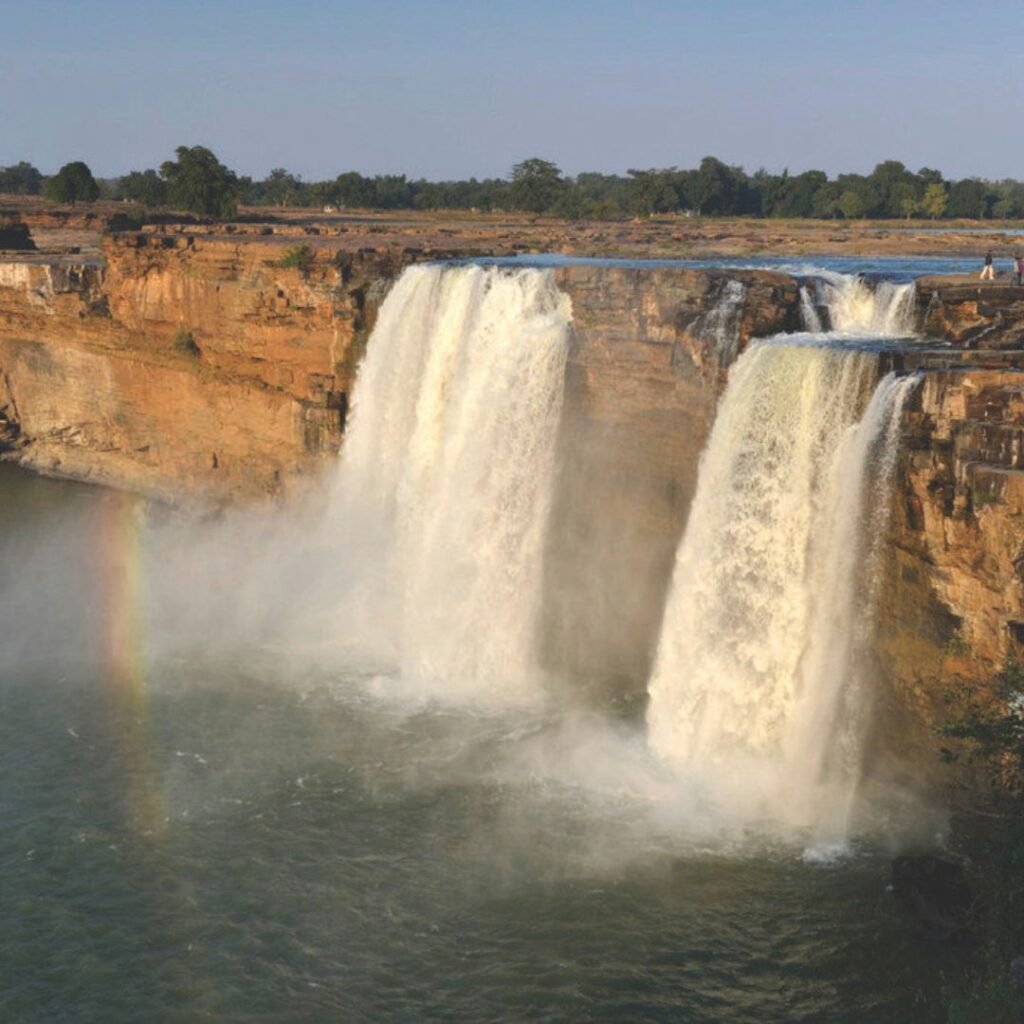
Often called the “Niagara of India,” Chitrakote in Bastar is a hidden gem for rural tourism. Surrounded by dense forests and tribal villages, it offers waterfall treks, forest camping, and mesmerizing tribal dance performances. A must-visit for nature lovers and cultural explorers seeking offbeat destinations. Keywords: Chitrakote waterfall, Bastar tribal tourism, rural Chhattisgarh travel.
- Experience: Tribal dances, waterfall treks, forest stays
- Why Go: India’s “Niagara Falls”, tribal heritage, untouched nature
4. Pochampally, Telangana
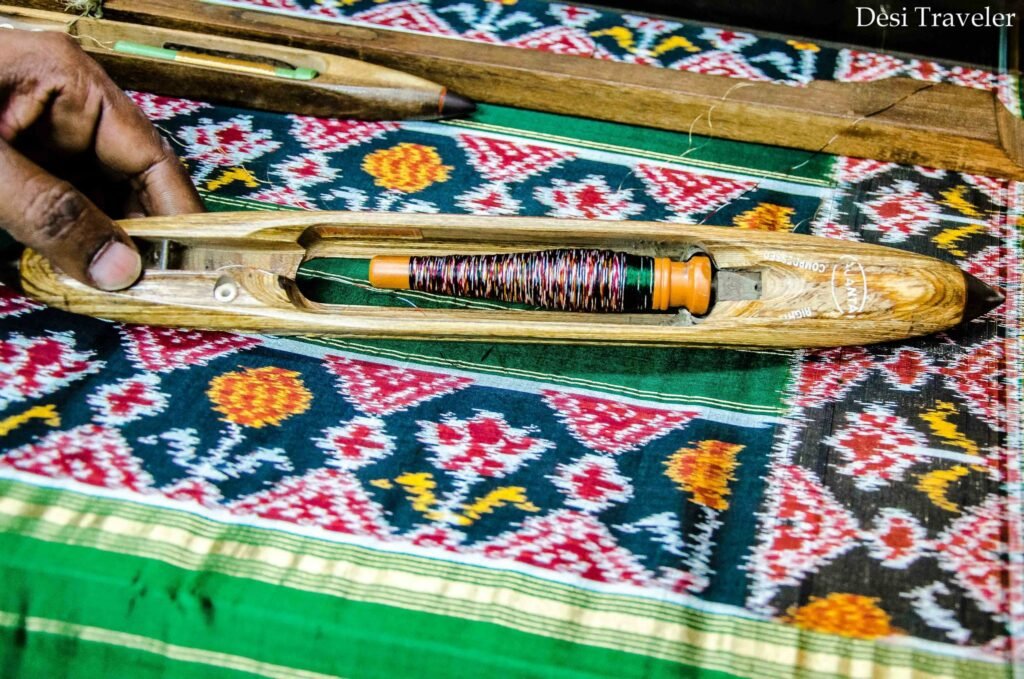
Famed for its intricate Ikat weaving, Pochampally is a UNESCO-recognized craft village that blends textile heritage with sustainable tourism. Visitors can tour weaving centers, interact with artisans, and shop for authentic handloom products. It’s a perfect destination for fashion-conscious travelers and cultural enthusiasts. Keywords: Pochampally Ikat, Telangana craft tourism, handloom village India.
- Experience: Ikat weaving, textile trails, village walks
- Why Go: UNESCO-recognized craft village, sustainable fashion tourism
5. Mawlynnong, Meghalaya
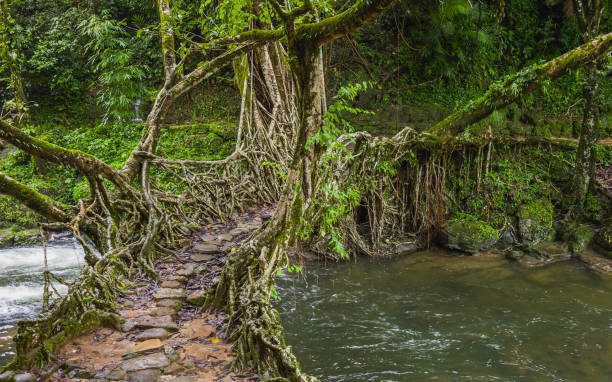
Declared the cleanest village in Asia, Mawlynnong offers a pristine rural experience in the East Khasi Hills. Tourists can explore bamboo treehouses, walk through lush nature trails, and witness community-driven eco-living. Its sustainable practices and scenic beauty make it a top pick for green travelers. Keywords: Mawlynnong village, eco-tourism Meghalaya, cleanest village India.
- Experience: Bamboo architecture, nature trails, clean village life
- Why Go: Asia’s cleanest village, eco-conscious living, scenic beauty
6. Raghurajpur, Odisha

Raghurajpur is a living heritage village where every home doubles as an art studio. Known for Pattachitra paintings and Gotipua dance, this village offers immersive cultural experiences and heritage walks. Located near Puri, it’s ideal for travelers seeking authentic Odisha art and folklore. Keywords: Raghurajpur art village, Odisha folk art, Pattachitra tourism.
- Experience: Pattachitra art, Gotipua dance, heritage homes
- Why Go: Living art village, cultural immersion, temple proximity
7. Kumbalangi, Kerala – Best Rural Tourism Experiences in India
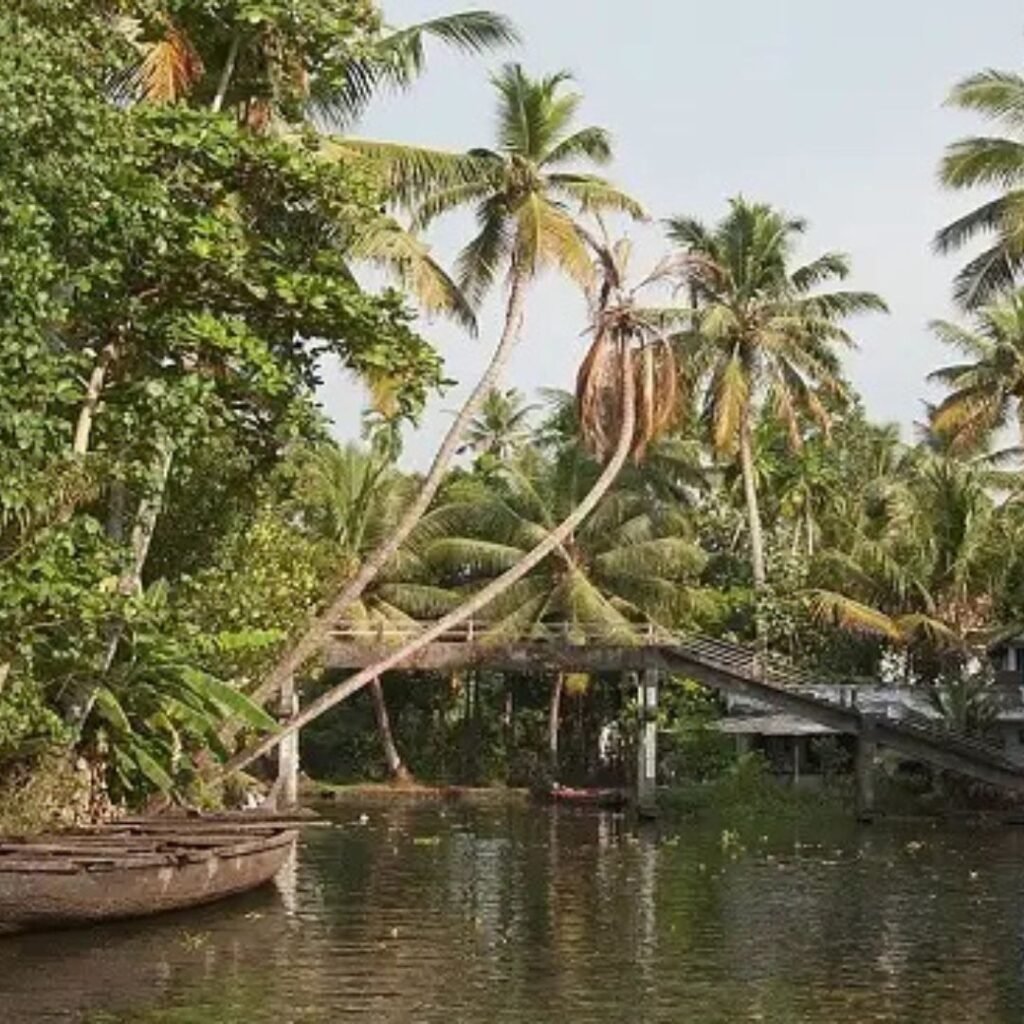
India’s first model tourism village, Kumbalangi near Kochi offers a unique blend of backwater serenity and agritourism. Visitors can try crab farming, enjoy canoe rides, and savor traditional Kerala meals in local homes. It’s a peaceful escape for those seeking slow travel and community interaction. Keywords: Kumbalangi tourism, Kerala village experience, backwater homestays.
- Experience: Crab farming, canoe rides, village meals
- Why Go: India’s first model tourism village, backwater charm, agritourism
Comparison Table: Rural Tourism Experiences in India
| Destination | Region | Key Experience | Best Time to Visit | Unique Feature |
|---|---|---|---|---|
| Spiti Valley | Himachal Pradesh | Monastery stays | May–Oct | High-altitude Buddhist culture |
| Hodka Village | Gujarat | Craft & desert safari | Nov–Feb | Artisan-led tourism |
| Chitrakote | Chhattisgarh | Tribal & waterfall | Jul–Feb | Tribal dances & natural wonders |
| Pochampally | Telangana | Ikat weaving | Oct–Mar | UNESCO craft heritage |
| Mawlynnong | Meghalaya | Eco village life | Mar–Jun | Cleanest village in Asia |
| Raghurajpur | Odisha | Folk art & dance | Oct–Feb | Living heritage village |
| Kumbalangi | Kerala | Backwater farming | Sep–Mar | First model tourism village |
Tips for Planning Your Rural Escape
- Book through responsible platforms: Look for community-led tourism initiatives.
- Choose immersive stays: Opt for homestays or eco-lodges to support local communities.
- Respect local customs: Dress modestly, ask before taking photos, and engage respectfully.
- Travel sustainably: Avoid plastic, use local transport, and support village artisans.
Conclusion
Rural tourism in India is not just a trend — it’s a transformative way to travel. From the snow-kissed monasteries of Spiti to the bamboo trails of Mawlynnong, each village offers a unique blend of culture, sustainability, and soul-stirring beauty. These destinations allow travelers to reconnect with nature, support local communities, and experience India beyond the clichés.
Whether you’re a solo explorer, a cultural enthusiast, or a conscious traveler, rural India welcomes you with open arms and unforgettable stories. So skip the crowds, embrace authenticity, and let your next journey be one that truly matters.
Ready to explore the best rural tourism experiences in India? Bookmark this guide, share it with fellow travelers, and start planning your offbeat adventure today.
FAQs
What is rural tourism in India?
- Rural tourism involves visiting villages to experience local culture, traditions, and sustainable lifestyles. It promotes community-based travel and supports local economies.
Why should I choose rural tourism over mainstream travel?
- Rural tourism offers authentic experiences, fewer crowds, eco-friendly stays, and deeper cultural immersion compared to commercial destinations.
Is rural tourism safe for solo travelers?
- Yes, many villages like Mawlynnong, Pochampally, and Kumbalangi are safe and welcoming. Always check local advisories and stay in verified homestays.
Which are the best rural tourism destinations in India?
- Top picks include Spiti Valley (Himachal), Hodka (Gujarat), Chitrakote (Chhattisgarh), Pochampally (Telangana), Mawlynnong (Meghalaya), Raghurajpur (Odisha), and Kumbalangi (Kerala).
What kind of accommodation is available in rural areas?
- Homestays, eco-lodges, and community-run guesthouses are common. These offer basic comforts and a chance to live like a local.
How do I book rural tourism experiences?
- Use platforms like Airbnb Experiences, India Tourism, or local NGOs. Some villages also have dedicated tourism cooperatives.
What activities can I expect in rural tourism?
- Expect craft workshops, farming, folk performances, nature walks, cooking sessions, and heritage tours depending on the village.
Is rural tourism suitable for families?
- Absolutely. Many villages offer safe, educational, and interactive experiences ideal for children and family bonding.
Can I work or volunteer during rural tourism?
- Yes, some villages offer volunteer programs in education, farming, or crafts. Check with local NGOs or responsible tourism platforms.
What is the best time to visit rural destinations in India?
- October to March is ideal for most regions. Hill villages like Spiti are best visited from May to October due to snow.
Are rural tourism experiences budget-friendly?
- Yes, rural travel is often more affordable than urban tourism, with low-cost stays and locally sourced meals.
Do I need to know the local language?
- Not necessarily. Basic English or Hindi is understood in most places. Locals are usually warm and helpful.
Is internet available in rural areas?
- Some villages have basic connectivity, but expect limited access. It’s a great chance to unplug and enjoy nature.
What should I pack for rural travel?
- Pack modest clothing, reusable bottles, basic medicines, insect repellent, and comfortable shoes. Avoid plastic.
How does rural tourism support sustainability?
- It promotes eco-friendly practices, reduces urban pressure, and empowers local communities through income and cultural preservation.
Are there any government-supported rural tourism programs?
- Yes, schemes like Swadesh Darshan and Incredible India promote rural tourism. Some states also have village tourism initiatives.
Can I buy local products during my visit?
- Definitely. Villages like Pochampally and Raghurajpur offer handmade textiles and art. Buying directly supports artisans.
What are some unique rural festivals I can attend?
- Try Hornbill Festival (Nagaland), Bastar Dussehra (Chhattisgarh), or local harvest festivals like Pongal and Bihu.
Is rural tourism good for digital detox?
- Yes. With minimal distractions and natural surroundings, it’s perfect for unwinding and reconnecting with yourself.
How can I make my rural trip more meaningful?
- Engage with locals, learn their stories, support local businesses, and travel responsibly with respect for culture and nature.