


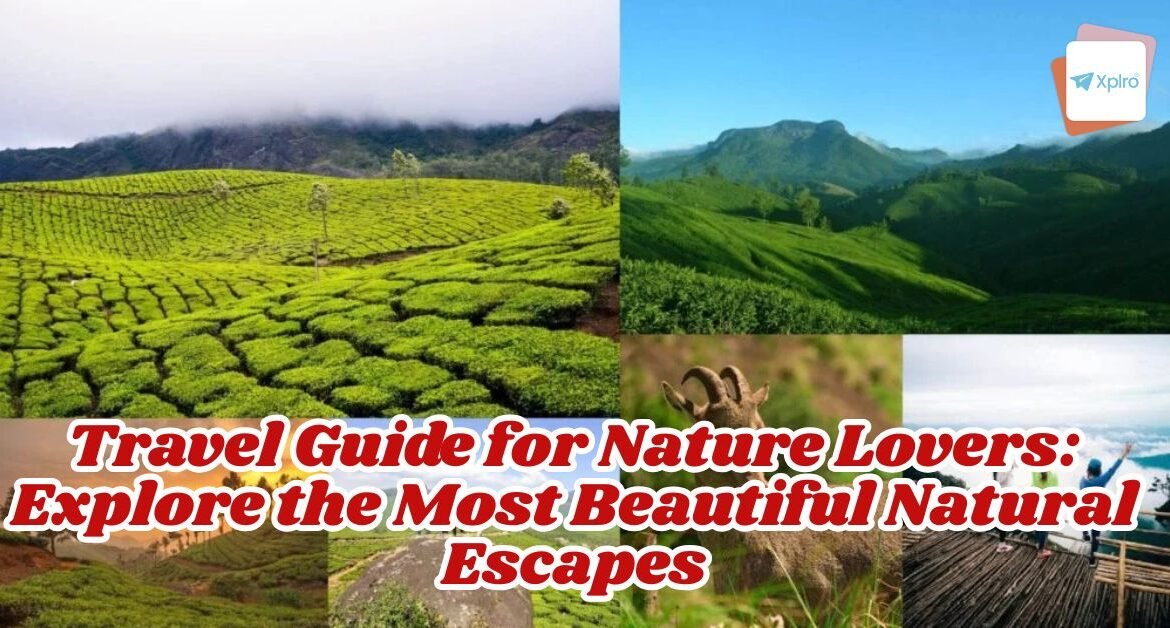
If you find peace in the rustle of leaves, the sound of waterfalls, and the beauty of untouched landscapes, this Travel Guide for Nature Lovers is your perfect companion. From tranquil forests and scenic mountain trails to serene beaches and wildlife sanctuaries, this guide reveals the most beautiful natural escapes that rejuvenate your soul.
Whether you’re an eco-traveler, photographer, or simply someone who craves serenity away from crowded tourist spots, we’ve handpicked must-visit nature destinations that blend adventure with sustainability. You’ll also find practical travel tips, best times to visit, eco-friendly stay options, and hidden gems untouched by mass tourism.
Let this guide inspire your next getaway into nature — a journey where every sunrise, river, and forest path reconnects you with the earth.
Why Travel for Nature?
Nature travel isn’t just about sightseeing—it’s about immersing yourself in the rhythm of the earth. Whether you’re trekking through Himalayan trails, birdwatching in wetlands, or meditating by a forest stream, these experiences rejuvenate the soul and promote sustainable tourism.
Top Natural Escapes in India
Here’s a curated list of India’s most stunning nature destinations, each offering a distinct ecosystem and experience:
1. Coorg, Karnataka
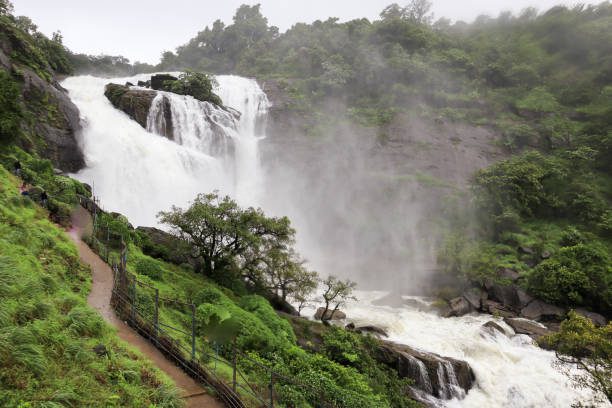
Nestled in the Western Ghats, Coorg is a misty paradise of rolling hills, coffee plantations, and cascading waterfalls. Known as the “Scotland of India,” this lush region offers a tranquil retreat for nature lovers. Whether you’re sipping freshly brewed coffee on a plantation tour, trekking through dense forests, or spotting vibrant birdlife, Coorg delivers a perfect blend of serenity and adventure.
- Nicknamed the Scotland of India
- Famous for coffee plantations, waterfalls, and misty hills
- Ideal for trekking, birdwatching, and plantation tours
2. Valley of Flowers, Uttarakhand
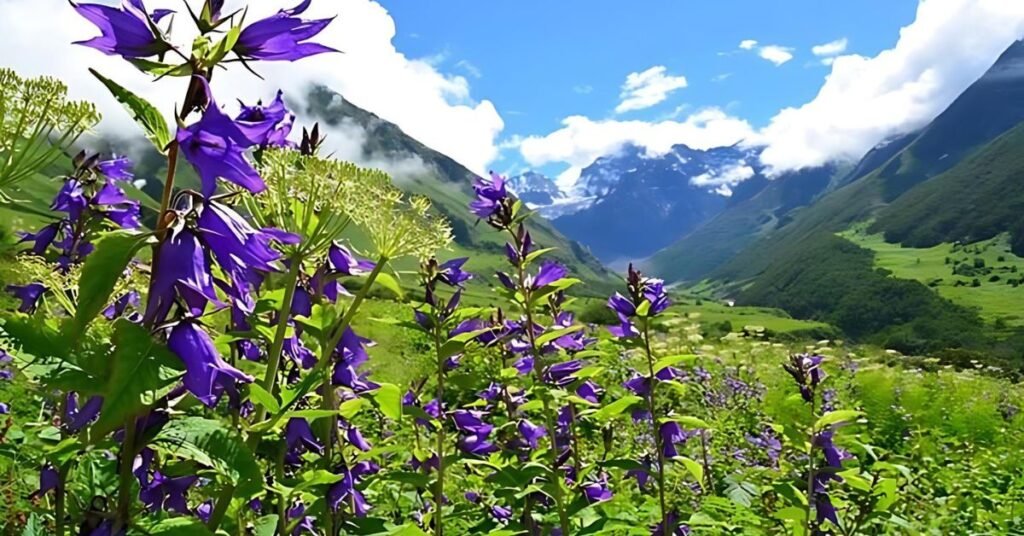
A kaleidoscope of alpine blooms awaits in the Valley of Flowers, a UNESCO World Heritage Site tucked in the Garhwal Himalayas. Accessible only by a scenic trek, this high-altitude meadow bursts into color during the monsoon, with rare Himalayan flora carpeting the landscape. It’s a dream destination for botanists, photographers, and anyone seeking a surreal, untouched wilderness.
- UNESCO World Heritage Site
- Blooming alpine meadows with rare flora
- Best visited during July–August
3. Gulmarg, Jammu & Kashmir
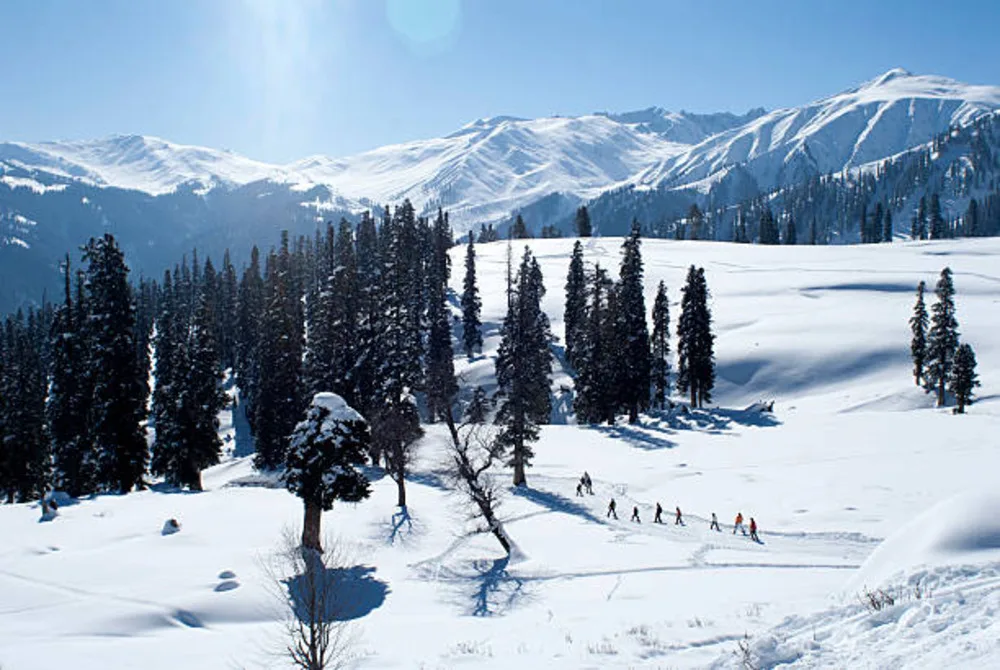
Gulmarg is a snow-draped wonderland that transforms into a skier’s haven each winter. Surrounded by towering pines and panoramic Himalayan peaks, this hill station is famed for its powdery slopes and the world’s second-highest gondola ride. In summer, the meadows bloom with wildflowers, making it a year-round escape for lovers of alpine beauty.
- Snow-covered landscapes and pine forests
- Popular for skiing and gondola rides
- Offers breathtaking Himalayan views
4. Sundarbans, West Bengal
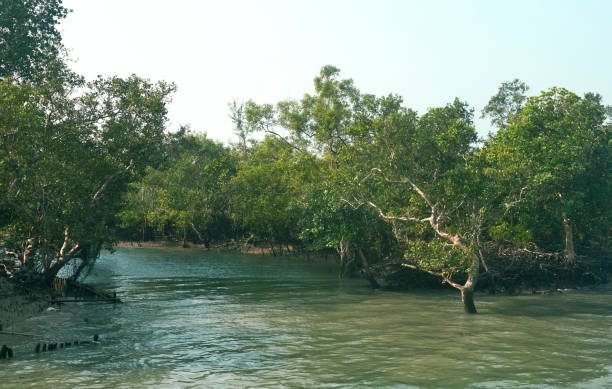
The Sundarbans is a mysterious, water-laced world where mangrove forests meet the Bay of Bengal. Home to the elusive Royal Bengal Tiger and a rich array of wildlife, this UNESCO-listed biosphere is best explored by boat. As you glide through narrow creeks and spot crocodiles, otters, and exotic birds, the raw, untamed spirit of nature comes alive.
- Largest mangrove forest in the world
- Home to the elusive Royal Bengal Tiger
- Ideal for boat safaris and eco-tours
5. Wayanad, Kerala – Travel Guide for Nature Lovers
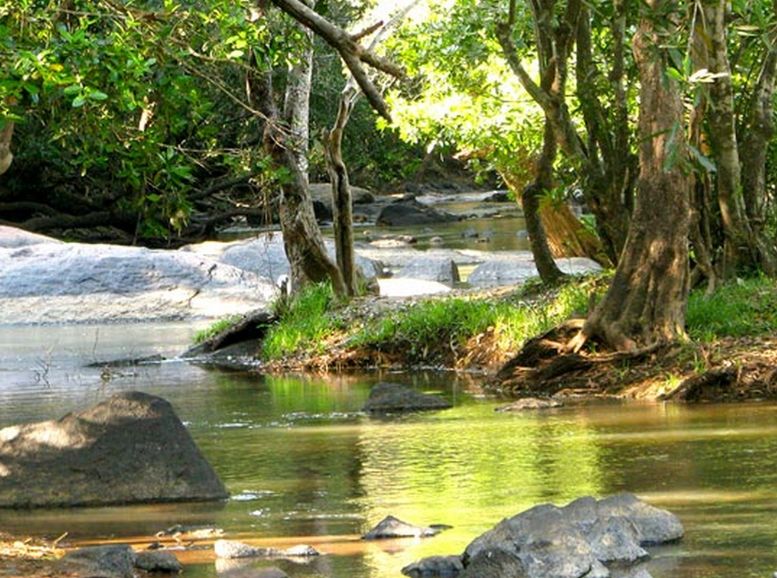
Wayanad is a green jewel in Kerala’s crown, offering a harmonious blend of nature and culture. With its spice-scented air, ancient caves, and wildlife sanctuaries, this hill district is a haven for eco-tourists. Trek to waterfalls, explore tribal heritage, or simply unwind in a treehouse surrounded by rainforest—Wayanad is where nature whispers in every rustle.
- Rich in biodiversity and tribal culture
- Known for caves, waterfalls, and spice plantations
- Great for hiking and wildlife spotting
Comparison Table: Best Natural Escapes in India
| Destination | Landscape | Best Season | Adventure Level | Wildlife Chance | Perfect For |
|---|---|---|---|---|---|
| Coorg | Hills & coffee estates | Oct–Mar | Low–Moderate | Low | Relaxation & easy treks |
| Valley of Flowers | Alpine flower valley | Jul–Aug | Moderate | Very Low | Flower photography |
| Sundarbans | Mangrove delta | Oct–Mar | Low | Very High | Tiger & bird lovers |
| Wayanad | Rainforest & lakes | Oct–May | Moderate | High | Jungle stays & adventure |
| Gulmarg | Meadows & snow | May–Aug or Dec–Mar | Low–High | Low | Seasonal variety |
Eco-Friendly Travel Tips
- Carry a reusable water bottle and refill it.
- Refuse single-use plastic – even a tiny wrapper can harm animals.
- Stay on marked trails to protect delicate plants.
- Book local guides and homestays – your money helps conservation.
- Offset your carbon footprint through trusted Indian NGOs.
Conclusion
India’s natural escapes offer more than scenic beauty—they’re immersive experiences that reconnect you with the earth’s rhythms. Whether you’re chasing alpine blooms in the Valley of Flowers, gliding through Sundarbans’ mangroves, or sipping coffee in Coorg’s misty hills, each destination promises serenity, adventure, and ecological richness.
For nature lovers seeking sustainable travel, these handpicked locations provide the perfect blend of biodiversity, cultural depth, and outdoor activities. Use our comparison table to plan your journey based on season, region, and interests—and let your next trip be a celebration of nature’s finest offerings.
Ready to explore India’s most beautiful natural escapes? Bookmark this guide, share it with fellow travelers, and start planning your eco-adventure today.
FAQs
1. What are the best nature travel destinations in India?
- India offers stunning nature escapes like Coorg, Valley of Flowers, Gulmarg, Sundarbans, and Wayanad—each known for unique ecosystems and outdoor activities.
2. Which is the best time to visit Valley of Flowers?
- The ideal time is July to August, when the alpine meadows are in full bloom and the valley transforms into a floral paradise.
3. Is Coorg suitable for eco-tourism?
- Yes, Coorg is perfect for eco-tourism with its coffee plantations, forest trails, and sustainable homestays that promote local culture and biodiversity.
4. What wildlife can I see in Sundarbans?
- You can spot the Royal Bengal Tiger, saltwater crocodiles, spotted deer, and exotic birds during boat safaris in the Sundarbans mangrove forest.
5. Are there nature escapes near Bangalore?
- Yes, Coorg, Wayanad, and Chikmagalur are popular nature getaways within driving distance from Bangalore, ideal for weekend trips.
6. What activities can I do in Gulmarg during winter?
- Gulmarg offers skiing, snowboarding, gondola rides, and snow trekking, making it one of India’s top winter adventure destinations.
7. Is Wayanad good for trekking and wildlife?
- Absolutely. Wayanad features scenic trekking trails, waterfalls, and wildlife sanctuaries like Muthanga and Tholpetty, rich in biodiversity.
8. How do I reach Valley of Flowers?
- You must trek from Govindghat to Ghangaria, then hike 3–4 km to the Valley. The nearest airport is in Dehradun, and rail access is via Haridwar.
9. Are nature escapes in India family-friendly?
- Yes, destinations like Coorg, Wayanad, and Gulmarg offer safe, scenic environments with activities suitable for all age groups.
10. What are the top eco-friendly accommodations in India?
- Look for homestays, jungle lodges, and eco-resorts in Coorg, Wayanad, and Sundarbans that follow sustainable practices and support local communities.
11. Can I visit Gulmarg in summer?
- Yes, Gulmarg is beautiful in summer with green meadows, wildflowers, and pleasant weather ideal for sightseeing and nature walks.
12. Is a permit required for Valley of Flowers?
- Yes, visitors must pay an entry fee and register at the forest check post in Ghangaria before entering the Valley of Flowers National Park.
13. What are the best nature travel blogs in India?
- Top blogs include Travel Triangle, IndiaHikes, and The Shooting Star, offering detailed guides on trekking, eco-tourism, and offbeat nature escapes.
14. What should I pack for nature travel in India?
- Pack trekking shoes, eco-friendly toiletries, reusable water bottles, rain gear, and binoculars for wildlife spotting and birdwatching.
15. Are nature escapes in India safe for solo travelers?
- Yes, places like Coorg, Wayanad, and Gulmarg are generally safe. Solo travelers should stay in verified accommodations and follow local guidelines.
16. What is the best nature escape for photographers?
- The Valley of Flowers and Sundarbans are top picks for photographers due to their rare flora, dramatic landscapes, and wildlife diversity.
17. Can I do birdwatching in Coorg?
- Yes, Coorg is a birdwatcher’s haven with species like Malabar trogon, hornbills, and flycatchers commonly spotted in its forests and plantations.
18. How do I plan a nature-focused itinerary in India?
- Choose destinations based on season, region, and interests. Use comparison tables, travel blogs, and local guides to build a balanced itinerary.
19. What are the top nature escapes in South India?
- Coorg, Wayanad, and Nilgiris are top nature destinations in South India, offering lush landscapes, waterfalls, and rich biodiversity.
20. How can I make my nature travel more sustainable?
- Support local businesses, avoid single-use plastics, respect wildlife, and choose eco-certified accommodations to reduce your travel footprint.